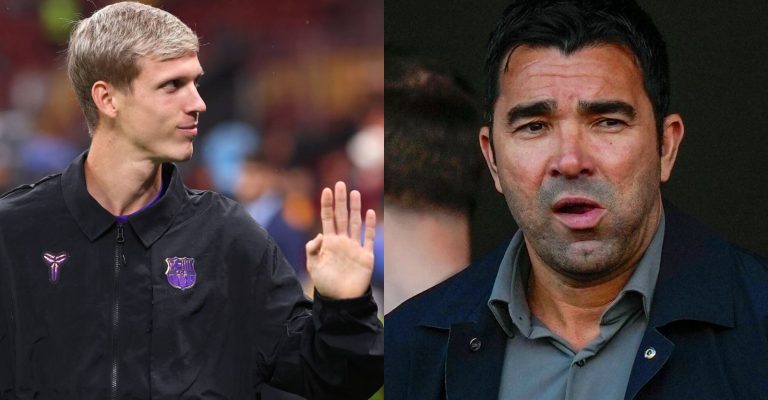
A radical shift at Barcelona puts Dani Olmo at a decisive crossroads.
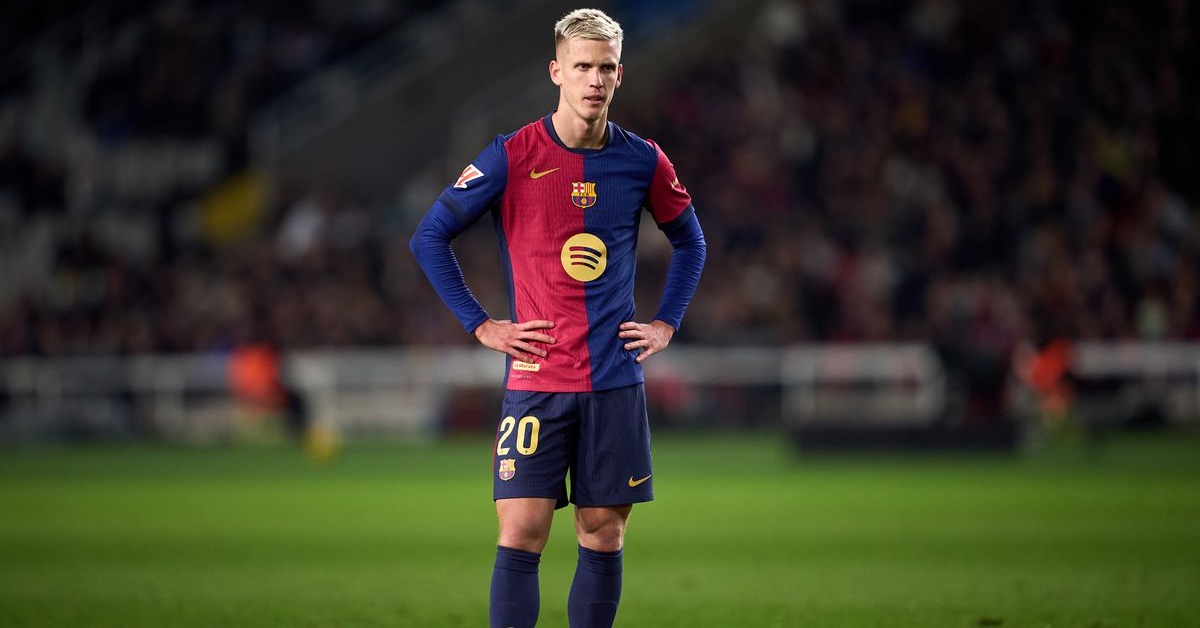
Amid sudden tactical shifts at Barcelona, a dramatic change is looming that could completely reshape the team. An unexpected move by coach Hansi Flick has raised questions about the future of one of the club’s most prominent stars, given the ambitious expectations and the significant investment made to strengthen the attack.
Flick, aiming to build a more dynamic and agile squad, has already begun restructuring the offensive line based on his new vision—one that emphasizes high flexibility and clearly defined attacking roles. As a result, Dani Olmo’s role has been overshadowed in the immediate plans.
The German coach has decided to reduce his reliance on Olmo, despite the €60 million spent by the club to reinforce the midfield and attack. This decision stems from the player’s inconsistent physical performance and his unclear fit between the playmaker and false nine roles. Flick’s offensive overhaul also involves reducing Robert Lewandowski’s minutes and prioritizing younger, more energetic players.
In this new setup, Nico Williams has emerged as the starting left-winger, while Raphinha has been repositioned as a central attacking midfielder—pushing Olmo into a tactical backup role. Ferran Torres stands out as a viable option in midfield whenever Lewandowski needs rest.
Olmo was tested as a false nine in two matches against Valladolid and Real Betis, where he showed tactical intelligence and delivered two assists. However, Flick now seeks greater consistency and adaptability to meet the demands of his modern game plan.
Dani Olmo fully understands that his current status is more of a substitute than a central figure in a team aiming to enhance attacking cohesion and apply high pressure with clearly defined and versatile roles for its young talents.
Olmo’s situation has become increasingly complicated. Once viewed as a potential cornerstone of the attack, he is now merely a cog in a constantly evolving system. His future hinges on whether he can embrace a supporting role and demonstrate the flexibility required by the new coaching direction. With rising competition from energetic young attackers and a system that leaves little room for compromise, Flick has delivered a clear message: adapt quickly—or fade out of the picture.